Opinion:Is Fat-Phobia Forever?
By
2009, Vol. 1 No. 12 | pg. 1/1
KEYWORDS:
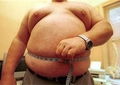
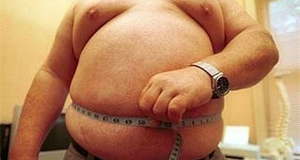
Author Susan Bordo has said, “fat is the devil, and we are continually beating him” (48). When considering this statement, and others like it, it is important to consider the ways in which we are also turning that devil around, giving him multiple dimensions. Students are learning from teachers that being fat is a hindrance in dance and sports while families are punishing their children with fat farms and cruel language. Music, television and magazines focus on lust for small waists. However it is also true that there is a growing support and love for bodies of all sizes. The only way real bodies can become fully celebrated is by recognizing what the beatings administered to fat look like, and to recognize what is being done and can continue to be done to stop the abuse.The easiest target for abuse and control are children. Changing and forming the beliefs of children is paramount for long-lasting societal change. When “children in this culture grow up knowing that you can never be thin enough” (Bordo 48) it is important to think about where this message is coming from and the level of control parents have over these images and suggestions. When children are put in front of a television in place of actual human interactions their world becomes filled with the ideas of disturbed advertisers looking to create life-long dependent consumers. While time flexibility continues to be a pressing issue for many parents, there are varied ways in which these parents can help to create change allowing for an increase in family time such as insisting on daycare from employers or negotiating a work-from-home schedule. The amount of harmful images and ideas a child receives can creatively be countered by the positive involvement of the parents. Perhaps Mommy and Daddy are not aware that little Sally or little Tommy can be physically healthy as well as fashionable without being skinny. A major reason kids are afraid of being fat is due to not looking cool, not having the right clothes. Keeping children’s mental, emotional and physical health in balance often takes unconventional efforts. More designers are becoming hip to the fat market, producing more fashionable clothes for kids of size. Although there are not as many advertisements on television for these companies, it is the movement away from current television control that will begin to heal the lacerations made on the minds of our youth. Many times, in more cities than suburbs, one only needs to stroll down the street to see a fat-friendly clothing store or a rockin’ fat-girl designers van pass by. The only power that designers and advertisers have is that which is given them by regular people and the realization of this is what empowers the people with real bodies to love themselves, thus empowering their children to love themselves and to have fun with their bodies. Fat hatred has in the past been thought to be primarily the plight of the white, middle-class woman. However more balanced research has shown that “eating and body-image problems among African American, Hispanic, and Native American women have been grossly underestimated” (Bordo 50) resulting in a greater need for community, familial and commercial recognition. If these women are lead to believe, whether inadvertently or directly, that only white women suffer from this affliction, it is thereby impossible for them not to feel alienated, leading to even more suffering. How can a deadly problem be solved among those who do not see the problem to begin with? The issue of unseen women of color (W.O.C.) in the world of eating disorders must be recognized as a symptom of a greater problem, commercial and societal imaging of white superiority, related here to beauty. The saturation of white beauty and the omission or under-representation of the beauty of women of color not only affects how these women view their weight but their hair, facial and body structures and voices. With the empowerment of the individual being and deconstruction of the mass beauty ideal as being white will come the proper tools to disassemble the eating disorders of W.O.C. It is not only women who struggle with eating disorders either. Whereas once it was considered fine for men to be “husky” or fat, “more and more men are developing eating disorders and exercise compulsions” (Bordo 50). Many men are experiencing familial pressures, as well as romantic pressures to be pretty, which either means having an athletic, muscular body or to look like skinny rock stars. Another barrier for fat men is that the professional world considers fat men to be lazy, greedy and unkempt. This is true among both heterosexual men as well as homosexual men although there is a growing culture among gay men celebrating fat bodies who call themselves “bears”. Men in the “bear” community are not only accepted but are sexually desirable to other fat men as well as “twinks”, or thin gay men. Also, in rural areas women tend to be more attracted to men of size, considering it a sign of masculinity and health. Still, we continue to live in “a culture that has invested our needs with anxiety, stress, and danger” (Bordo 52) which means that we have put the responsibility of our lives in other people’s hands. Allowing doctors, who after all are only people and not infallible beings, to tell us how to help ourselves is a massive mistake when the advice taken is counterintuitive. Many doctors over time have used weight loss as the answer to varied medical conditions. Where it is true that at times weight loss is a factor in health problems, it is usually combined with other reasons which would lead to less of a focus on weight loss and more focus on healthy food habits, or may not be a valid reason at all. It is important to listen to oneself, especially when the issue is the quality and longevity of life. It is not only all right to question the advice doctors’ give but may in fact save lives. Going beyond questioning medical professionals it is imperative to insist on clear communication, to fully understand what it is that is being advised. Remember, we have ultimate power over our bodies. Yes, television and magazines “are telling us that depression is beautiful, that being wasted is cool” (Bordo 52) and there is a certain tragic, poetic beauty to suffering but this also is counterintuitive. Self-preservation is a natural instinct in every animal. When people are taught by their parents or neighbors or teachers to trust themselves they are less influenced by the lies told to them, these are people who want us to be healthy and enjoy life. The trick is to recognize the difference between the beauty of art and the beauty of reality. The less genuine interactions children have with the adults in their lives the more they will listen to the distorted messages sent to them through the media. “What we are witnessing here is a commercial war,” says Bordo (53), but it is not just fashion involved in this war. Pharmacies are also included in this war, fighting against the world of natural medicine and wellness. Those of us who are consumers and viewers are the weapons, weapons with a will of their own. We are also in this commercial war. Ultimately we make the choice to listen to the voices on the radio and television that scream, “Be thin!” at us and we make the choice to continue the self-hatred that keeps diet pills and skinny jeans in production. We can either be the instruments of our own demise, or we can be the weapons that protect ourselves from destruction: the choice is ours. Bordo, Susan. “Never Just Pictures.” The World of the Image 2007. 
From the Inquiries Journal Blog   Related ReadingMonthly Newsletter SignupThe newsletter highlights recent selections from the journal and useful tips from our blog. Suggested Reading from Inquiries Journal
Inquiries Journal provides undergraduate and graduate students around the world a platform for the wide dissemination of academic work over a range of core disciplines. Representing the work of students from hundreds of institutions around the globe, Inquiries Journal's large database of academic articles is completely free. Learn more | Blog | Submit Follow IJ


Latest in Opinion |